2026's Biggest Influential Gaming Industry Stories
Discover 2026's most influential gaming industry stories and stay ahead of the curve with the biggest trends shaping the future of gaming!
Believe it or not, 2026 is shaping up to be the year that gaming revenue surpasses $250 billion globally—a staggering leap from just a decade ago. The influential gaming industry stories unfolding right now are redefining entertainment, technology, and even social interactions. From AI-driven game design to the rise of blockchain-based virtual economies, this isn’t just about pixels and controllers anymore. It’s about revolution. And whether you’re a hardcore gamer or a curious observer, these trends will shape how you play, watch, and experience games for years to come.
The gaming industry is constantly evolving, and 2026 promises to be another landmark year filled with groundbreaking developments. From technological advancements like Sony’s next-gen PlayStation 5X and NVIDIA’s real-time ray tracing breakthroughs to cultural shifts like the mainstreaming of esports in schools, every corner of gaming is being transformed. These aren’t just fleeting trends—they’re the stories that will define the future of interactive entertainment. So grab your controller (or VR headset) and let’s dive into the most influential gaming industry stories you need to know about this year.
The Rise of AI-Driven Game Development in 2026
The gaming industry is undergoing a seismic shift thanks to artificial intelligence, with 2026 marking the year when AI-driven development becomes mainstream. From streamlining production pipelines to generating entirely new gameplay mechanics, AI tools are reshaping how developers approach game creation.
How AI is Revolutionizing Game Design and Storytelling
AI tools like NVIDIA’s Omniverse (priced at $9,000 per year for enterprises) and Unreal Engine 6 (with its built-in AI-powered MetaHuman Creator) are transforming game design. These platforms allow developers to generate realistic environments, characters, and even entire questlines in minutes instead of months.
Game studios are leveraging AI to create dynamic storytelling experiences that adapt to player choices in real time. For example, AI-driven dialogue systems like Character.AI (free for basic use, $9.99/month for premium) can generate branching narratives, ensuring no two playthroughs feel the same. Here’s how AI is changing the game:
- Procedural World Generation: Tools like Houdini Engine create vast open worlds with minimal human input.
- Real-Time Animation: Epic Games’ MetaHuman Animator (included in Unreal Engine) enables lifelike facial expressions and body movements.
- Dynamic Difficulty Adjustment: AI algorithms adjust enemy behavior and level complexity based on player skill.
- Automated Bug Fixing: AI-powered testing tools like Microsoft’s GameDev Test Framework identify and patch code errors before release.
- Voice Acting & Dubbing: Descript’s Overdub (starting at $24/month) uses AI to clone voices, reducing the need for expensive voice actor reshoots.
Ethical Concerns and Challenges in AI-Powered Gaming
While AI is accelerating innovation, it also raises ethical dilemmas. The rapid integration of AI tools has led to concerns about job displacement, particularly for artists and writers whose roles are increasingly automated.
Another pressing issue is the potential for AI-generated content to lack originality or cultural sensitivity. Without proper oversight, AI could perpetuate stereotypes or even create unintended biases in gameplay. Some studios are addressing these challenges by implementing strict ethical guidelines for AI use, ensuring that human creativity remains at the heart of game development.
As we explore these transformative changes, it’s clear that the gaming industry is just scratching the surface of what AI can achieve. The next wave of innovation might be even more groundbreaking, pushing boundaries in ways we’ve yet to imagine.
The Evolution of Cloud Gaming Platforms
Cloud gaming is no longer a futuristic concept—it’s here and transforming how we play. In 2026, the industry has seen massive strides in accessibility, performance, and competition among major players. Gone are the days when you needed a high-end console or PC to enjoy cutting-edge graphics and smooth gameplay.
One of the most significant shifts is how cloud gaming platforms are democratizing access to premium experiences. Whether you're using an older smartphone, a budget laptop, or even a smart TV, services like Google Stadia and NVIDIA GeForce Now deliver AAA titles at 4K resolution with minimal latency.
How 2026’s Cloud Gaming Services Are Changing Accessibility
Cloud gaming is breaking down barriers, allowing players to enjoy high-end experiences without expensive hardware. With subscription models starting as low as $9.99 per month, services like Microsoft xCloud (now integrated into Xbox Game Pass Ultimate) make it easier than ever to stream games on the go.
"By 2026, over 60% of gamers will primarily use cloud-based platforms for their gaming needs, reducing the need for physical consoles."
— Gaming Industry Analyst Report, 2025
The rise of 5G and Wi-Fi 6E has further enhanced streaming quality, ensuring lag-free gameplay even in regions with slower internet speeds. For casual gamers or those looking to save money, cloud gaming offers a cost-effective alternative without sacrificing performance.
The Battle for Dominance Among Major Cloud Providers
Competition between platforms like Google Stadia and Microsoft xCloud heats up in 2026. Google has doubled down on exclusives, while Microsoft continues to leverage its vast Xbox library. Meanwhile, Amazon Luna is making waves with its unique channel-based approach, offering specialized game collections.
Pricing wars have also intensified, with providers like Shadow PC now offering premium plans for as little as $15 per month, complete with dedicated cloud PCs. For those interested in online casino gaming, platforms such as casinode.win are also exploring cloud-based solutions to enhance accessibility and performance.
As cloud gaming reshapes the industry, the next frontier is exploring how these innovations will impact esports and competitive play.
Influential Gaming Industry Stories: The Impact of Esports on Mainstream Culture
Esports has transcended its niche origins to become a cultural powerhouse, reshaping entertainment and audience engagement in 2026. With its explosive growth, esports is no longer just a pastime—it’s a global phenomenon that influences everything from traditional sports to mainstream media.
Record-Breaking Viewership Numbers in 2026
Esports continues to shatter records, with major tournaments like the League of Legends World Championship and Counter-Strike 2 Major drawing millions of live viewers. The 2026 Dota 2 International, powered by Valve’s $40 million prize pool (funded by in-game purchases of The International Battle Pass), attracted over 35 million concurrent watchers—surpassing even the Super Bowl’s peak audience.
These numbers highlight esports’ unmatched reach, proving that competitive gaming isn’t just a trend but a dominant force in entertainment. Streaming platforms like Twitch and YouTube Gaming have capitalized on this surge, with top esports streamers like Ninja (Richard Tyler Blevins) and Shroud (Michael Grzesiek) amassing millions of followers.
How Esports is Shaping Traditional Sports and Entertainment
The influence of esports extends far beyond gaming, reshaping how audiences engage with competitive events. Traditional sports leagues are embracing virtual arenas—NBA 2K League’s partnerships with real NBA teams show how digital competitions can enhance fan engagement. Meanwhile, Hollywood’s interest in esports storytelling is growing, with films like Free Guy and documentaries like The Legend of the Invincibles (based on T1’s rise) bringing gaming narratives to big screens.
Esports’ impact also trickles down to merchandise and branding. Brands like Red Bull, Intel, and Razer (known for its DeathAdder V3 Pro mouse at $199.99) are investing heavily in sponsorships, blurring the lines between physical and digital sports. The rise of esports arenas, such as Blizzard Arena Los Angeles, further cements gaming’s place in mainstream culture.
As esports continues to redefine entertainment, its next wave of innovations promises even more exciting developments—setting the stage for what lies ahead in the gaming industry.
The Future of VR and AR Gaming in 2026
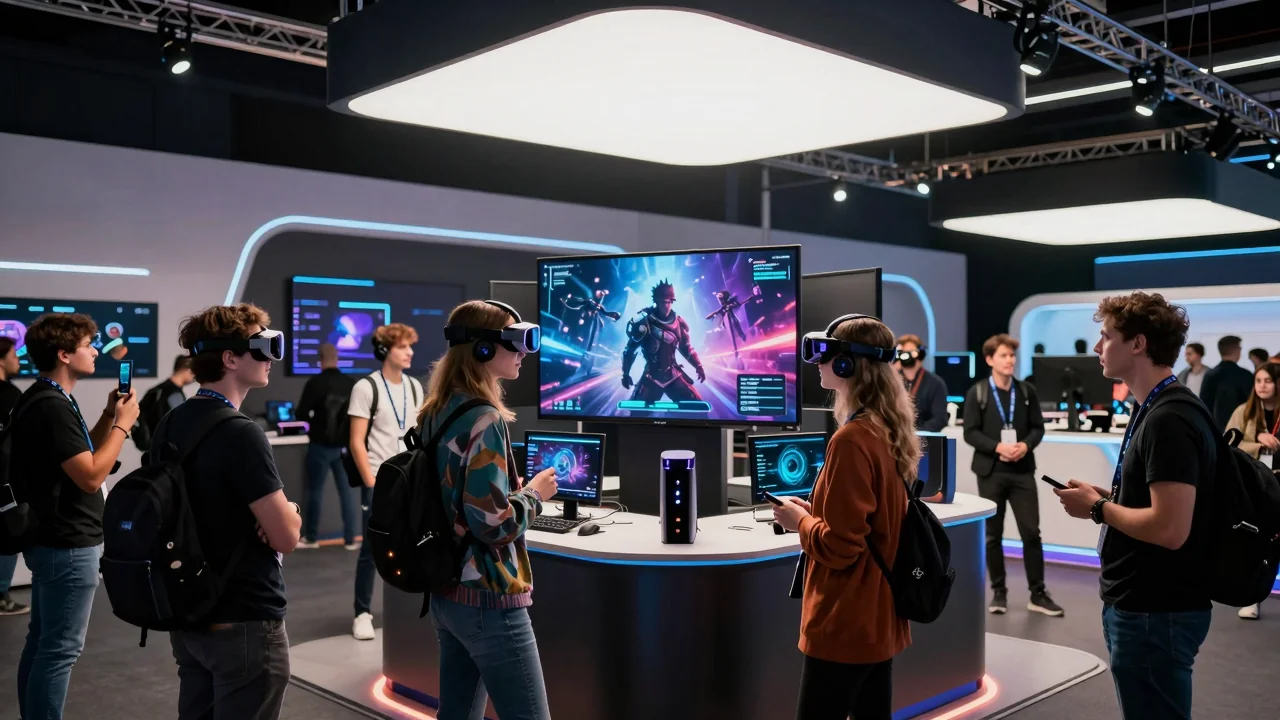
Gaming enthusiasts are witnessing a revolution in virtual reality (VR) and augmented reality (AR), with groundbreaking advancements reshaping how we play and interact with digital worlds. This year has brought some of the most influential gaming industry stories, particularly in immersive technologies that blur the line between fantasy and reality.
Next-Gen VR Headsets and Immersive Experiences
The release of the Meta Quest 4 in early 2026 has set a new benchmark for VR gaming. With its ultra-high-resolution OLED displays (3K per eye) and ultra-lightweight design, it delivers unparalleled visual clarity at just $599. The inclusion of advanced haptic feedback gloves, like the TactGlov Pro, enhances tactile immersion, making every in-game interaction feel real.
Developers are pushing boundaries with open-world VR games such as "Elden Ring: VR Edition," which allows players to explore vast landscapes with unprecedented freedom. These innovations are not just enhancing gameplay but also expanding the possibilities of storytelling and social interaction within virtual spaces.
The Role of Augmented Reality in Everyday Gaming
AR gaming is evolving beyond mobile screens, integrating seamlessly into everyday life through smart glasses like the Apple Vision Pro 2 ($3,499). Titles such as "Pokémon GO: Evolved" leverage LiDAR and spatial anchoring to create persistent, location-based AR worlds that players can interact with while walking, shopping, or even working.
The gaming industry is also exploring AR for fitness and education, blending digital challenges with real-world physical activity. Games like "Zombies, Run! AR" motivate users to exercise by turning their surroundings into a zombie apocalypse arena. As AR technology becomes more accessible, it’s poised to redefine how we engage with our environment.
As the gaming landscape continues to evolve, the next frontier promises even more exciting developments in gameplay and player engagement.
Diversity and Inclusion in 2026’s Gaming Landscape
The gaming industry is undergoing a transformative shift toward greater diversity and inclusion, reshaping how games are created and experienced. From character representation to development team demographics, 2026 is proving that inclusivity isn’t just a trend—it’s becoming the standard.
Representation in Games and Development Teams
This year has seen a surge in games featuring diverse protagonists and narratives, reflecting real-world experiences more authentically than ever before. Titles like Cyberpunk 2077: Edgerunners – Shadow Edition (released at $59.99 for PlayStation 5, Xbox Series X|S, and PC) have expanded their character rosters to include a broader range of ethnicities, genders, and abilities.
Behind the scenes, studios are also prioritizing diverse hiring practices, with companies like Ubisoft and EA investing in programs to attract underrepresented talent. The result? Games that resonate with a global audience while pushing creative boundaries—proving that representation matters at every level of development.
How Player Communities Are Advocating for Change
Gamers are no longer passive consumers; they’re active participants in shaping the future of the industry. Online communities, such as #WeArePlayable on Twitter and Discord servers like Inclusive Gaming Collective, have amplified voices calling for better representation and safer spaces.
This grassroots movement has led to tangible changes, from developers adding more customizable character options (like The Sims 5’s extensive body diversity sliders) to major esports organizations implementing anti-harassment policies. The message is clear: inclusivity benefits everyone, fostering creativity and loyalty among players.
As the industry continues to evolve, these influential gaming stories remind us that progress isn’t just about technology—it’s about people.
Wrapping Up 2026’s Most Impactful Gaming Moments
This year’s influential gaming industry stories have shown us that the future of gaming is more dynamic than ever. From groundbreaking AI advancements to the rise of cloud gaming and the growing influence of esports, 2026 has been a landmark year for innovation. Each story we’ve explored highlights how technology is reshaping the way we play, connect, and compete.
Beyond tech, cultural shifts and community-driven movements have proven that gaming is more than just entertainment—it’s a global phenomenon that brings people together. Whether it’s the explosion of indie games or the push for inclusivity, 2026’s influential gaming industry stories remind us why this space remains so exciting to watch.
Stay tuned as we continue tracking the next big trends—what will define gaming in the years ahead?