10 Wearable Tech Innovations to Watch in 2026
Discover the top wearable technology innovations of 2026! Stay ahead with these cutting-edge gadgets transforming health, fitness & daily life.
Tired of clunky fitness trackers that die after a day’s charge or smartwatches that feel like they’re from last decade? The wearable technology innovations flooding the market this year are finally solving those frustrations—with sleek designs, all-day power, and features so advanced they’ll make 2025 models look obsolete. Imagine a ring that monitors your stress levels in real time or glasses that project holographic notifications without blocking your view. These aren’t sci-fi fantasies; they’re the breakthroughs reshaping how we interact with tech in 2026.
From health monitoring to augmented reality, this year’s wearable technology innovations are set to transform daily life. Companies like Apple and Google have already hinted at game-changing releases, while startups are pushing boundaries with AI-powered wearables that adapt to your habits. Whether you’re a fitness enthusiast, a tech geek, or just someone who wants smarter gadgets, these 10 innovations will make you rethink what’s possible—and why settling for outdated tech is no longer an option. Get ready to upgrade!
Health & Wellness Wearables in 2026
The wearable technology innovations of 2026 are pushing health and wellness tracking to unprecedented levels. With smarter sensors, AI-driven insights, and seamless integration into daily life, these devices are transforming how we monitor our well-being.
Advanced Biometric Sensors
Next-gen biometric sensors in wearables like the Apple Watch Series 10 (GPU3) and Samsung Galaxy Watch 6 Pro (GLP5) are redefining health tracking. These devices now measure blood glucose levels, lactate thresholds, and even early signs of cardiovascular issues—all in real time.
- Continuous ECG monitoring (Apple Watch Series 10)
- Blood pressure tracking (Samsung Galaxy Watch 6 Pro)
- Hydration level sensors (Garmin Forerunner 275)
- UV exposure alerts (Fitbit Sense 3)
- Sleep apnea detection (Withings ScanWatch Pro)
The precision of these wearable technology innovations means users get hyper-personalized data, enabling proactive health management.
AI-Powered Health Coaches
AI-driven wearables like the Whoop Strap 5.0 ($240) and Oura Ring Gen 3 ($399) now act as virtual health coaches, analyzing patterns to predict illnesses before symptoms appear. 2026's Must-Know Computer Hardware News & Trends These devices don’t just track—they recommend.
- Personalized workout adjustments based on recovery metrics
- Nutrition suggestions tailored to biometric fluctuations
- Stress management techniques via guided breathing exercises
- Early fatigue detection to prevent burnout
- Automated doctor consultations for abnormal readings
With AI-powered insights, wearable technology innovations are making preventive care more accessible than ever.
As we explore how tech integrates deeper into our lives, the next wave of wearables is shifting focus beyond health—into productivity and connectivity.
Smart Clothing for the Future
Wearable technology innovations are pushing boundaries beyond wristbands and glasses—now, your wardrobe is getting an upgrade! Smart clothing is revolutionizing how we interact with tech, blending comfort, functionality, and style in ways never seen before.
Self-Heating & Cooling Fabrics
Imagine a jacket that warms you up on chilly mornings or cools you down during scorching afternoons—without adjusting layers. The Ralph Lauren RL Polarized Heated Jacket ($398) uses carbon-fiber heating elements powered by a rechargeable battery, delivering customizable warmth for up to 10 hours. Meanwhile, Minus33’s Merino Wool Climate Control Base Layer ($89) regulates body temperature naturally through moisture-wicking and thermoregulating properties.
"By 2026, self-adjusting fabrics could dominate 40% of the smart clothing market, driven by consumer demand for climate-responsive wear." — Wearable Tech Insights
These innovations aren’t just gimmicks—they’re practical solutions for athletes, travelers, and anyone who values comfort. Whether you're hiking in subzero conditions or working under bright sunlight, self-regulating fabrics keep you performing at your best.
Integrated Tech Accessories
Fashion meets functionality with smart clothing that doubles as tech hubs. The Levi’s Commuter x Jacquard Jacket ($350) embeds touch-sensitive controls in the sleeve, letting you manage calls, navigation, and music hands-free while cycling or commuting. For fitness enthusiasts, the Under Armour Connected hoodie ($179) tracks heart rate, steps, and calories burned via built-in sensors that sync with your smartphone.
These wearables seamlessly integrate technology into daily life without sacrificing style—proving that looking good and staying connected no longer have to be separate goals. As designers continue to experiment with conductive fabrics and miniaturized tech, the line between clothing and gadgets will only blur further.
With smart clothing leading the charge in wearable technology innovations, the next frontier of tech wearables is just as exciting—if not more so.
Augmented Reality (AR) Glasses
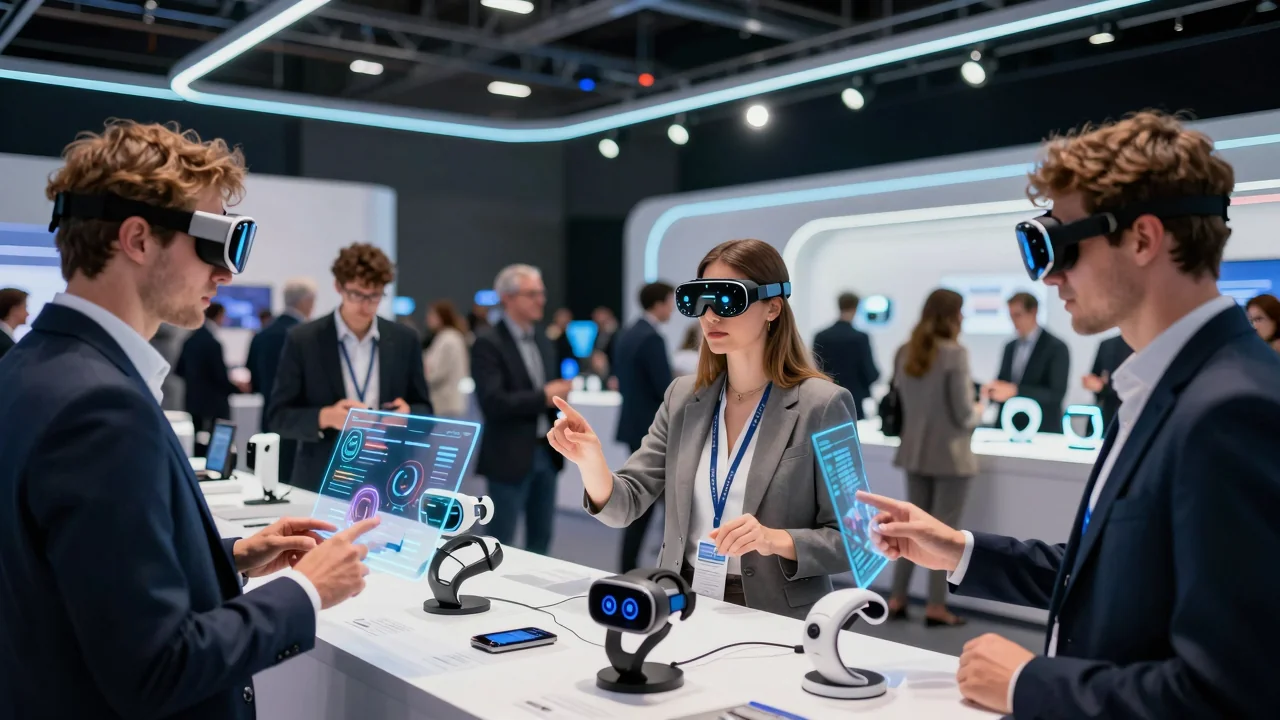
The evolution of wearable technology innovations has reached new heights with augmented reality glasses, merging digital and physical worlds like never before. These sleek devices, such as the Meta Ray-Ban Stories 2026 edition ($399) or Apple’s Vision Pro 2 ($1,499), project real-time data—navigation cues, weather updates, or calendar reminders—directly into your field of view.
Enhanced Visual Overlays
Imagine walking through a crowded city while receiving turn-by-turn directions overlaid on the sidewalk or seeing restaurant ratings pop up as you pass by. The latest AR glasses, like the Vuzix Smart Glasses M4000 ($1,999), integrate high-resolution microdisplays and spatial audio to enhance productivity. These wearables also support voice commands, allowing hands-free control for multitasking professionals. Whether you're a doctor reviewing patient records mid-surgery or an engineer inspecting complex schematics on-site, these innovations streamline workflows.
Gaming & Social Interaction
AR glasses are revolutionizing gaming by blending virtual elements with real-world environments, creating immersive experiences without bulky headsets. Titles like Pokémon GO and Minecraft Earth already hint at this future, but 2026’s AR wearables take it further—think holographic avatars joining your coffee shop chats or interactive treasure hunts in urban landscapes. Social apps are also evolving; platforms like casinode.win now offer AR-enabled live dealer games, where digital dealers appear seamlessly in your living room.
The potential of wearable technology innovations extends beyond entertainment and productivity, setting the stage for even more groundbreaking developments ahead.
Wearable Security Devices in 2026
As wearable technology innovations continue to evolve, security is becoming a top priority. In 2026, we’re seeing a surge in devices that go beyond fitness tracking—focused on protecting users with cutting-edge safety features.
Fingerprint & Voice Authentication Wearables
Biometric authentication is no longer confined to smartphones. Wearable technology innovations like the Apple Watch Series 10 and Samsung Galaxy Watch 6 Pro now offer seamless fingerprint and voice recognition for unlocking devices, authorizing payments, and securing apps. These wearables use advanced sensors to ensure accuracy even in high-stress situations.
For example, the Huawei Band 9 Pro ($249) includes a built-in fingerprint scanner that works rain or shine, thanks to its moisture-resistant technology. Meanwhile, the Garmin Venu 3 ($399) integrates voice authentication, allowing users to confirm transactions with just a spoken command—reducing reliance on passwords.
Emergency Alert Systems
Wearable tech is stepping up as a lifeline in dangerous situations. Devices like the Withings ScanWatch ($249) detect falls and abnormal heart rhythms, sending instant alerts to emergency contacts or medical services. The Amazfit GTS 4 Mini ($150) takes it further with a built-in SOS button that triggers GPS location sharing when pressed.
Even everyday wearables are getting smarter. The Fitbit Charge 7 ($99) now includes crash detection for cyclists, analyzing impact data to determine if an accident has occurred. These innovations ensure that help arrives faster, making wearable technology innovations a game-changer in personal safety.
From biometric safeguards to emergency alerts, wearables are redefining how we protect ourselves—and the next generation of devices promises even smarter solutions.
Eco-Friendly Wearable Tech Innovations
The wearable technology innovations of 2026 aren’t just about smarter features—they’re also prioritizing sustainability. From solar-powered devices to recyclable materials, brands are stepping up their eco-friendly game without compromising performance.
Solar-Powered Devices
Solar-charged wearables are leading the charge (pun intended) in reducing environmental impact while keeping gadgets powered on the go. The Garmin Instinct 2 Solar, for example, boasts an impressive battery life of up to 54 days in smartwatch mode when exposed to sunlight regularly—perfect for outdoor enthusiasts. Priced around $399, this model proves that eco-friendly doesn’t mean sacrificing functionality.
Even fitness trackers are getting the solar treatment. The Withings Solar Watch, retailing at $229, integrates a photovoltaic glass lens to harness energy from ambient light. These innovations show how wearable technology is evolving to align with greener living trends without breaking the bank.
Recyclable Materials in Design
Manufacturers are shifting toward sustainable materials, making wearable tech both high-tech and planet-friendly. Apple’s latest Apple Watch Series 10 features a reengineered aluminum case made from 100% recycled material, slashing its carbon footprint by 25%. At $399, it’s a testament to how eco-conscious design can coexist with premium aesthetics.
Samsung’s Galaxy Watch 6 Pro takes sustainability further with a biodegradable strap option and a chassis built from post-consumer plastic. Priced at $449, it proves that wearable technology innovations don’t have to come at the planet’s expense.
As brands continue pushing boundaries in sustainable design, the next wave of wearables promises even smarter—and greener—solutions.
The Future of Wearable Tech is Here
The world of wearable technology innovations is evolving faster than ever in 2026. From AI-powered health monitors to sustainable smart fashion, the devices we wear are becoming smarter, more intuitive, and better integrated into our daily lives. These advancements aren’t just gadgets—they’re tools that enhance well-being, productivity, and environmental consciousness.
As we move forward, wearable tech will continue to push boundaries in ways we can barely imagine today. Whether it’s real-time health insights, seamless connectivity, or eco-friendly designs, the innovations highlighted here are just the beginning. The future of wearables is about more than convenience—it’s about transforming how we live, work, and connect with the world.
Ready to stay ahead of the curve? Keep an eye on these wearable technology innovations—they’re shaping the next era of tech!