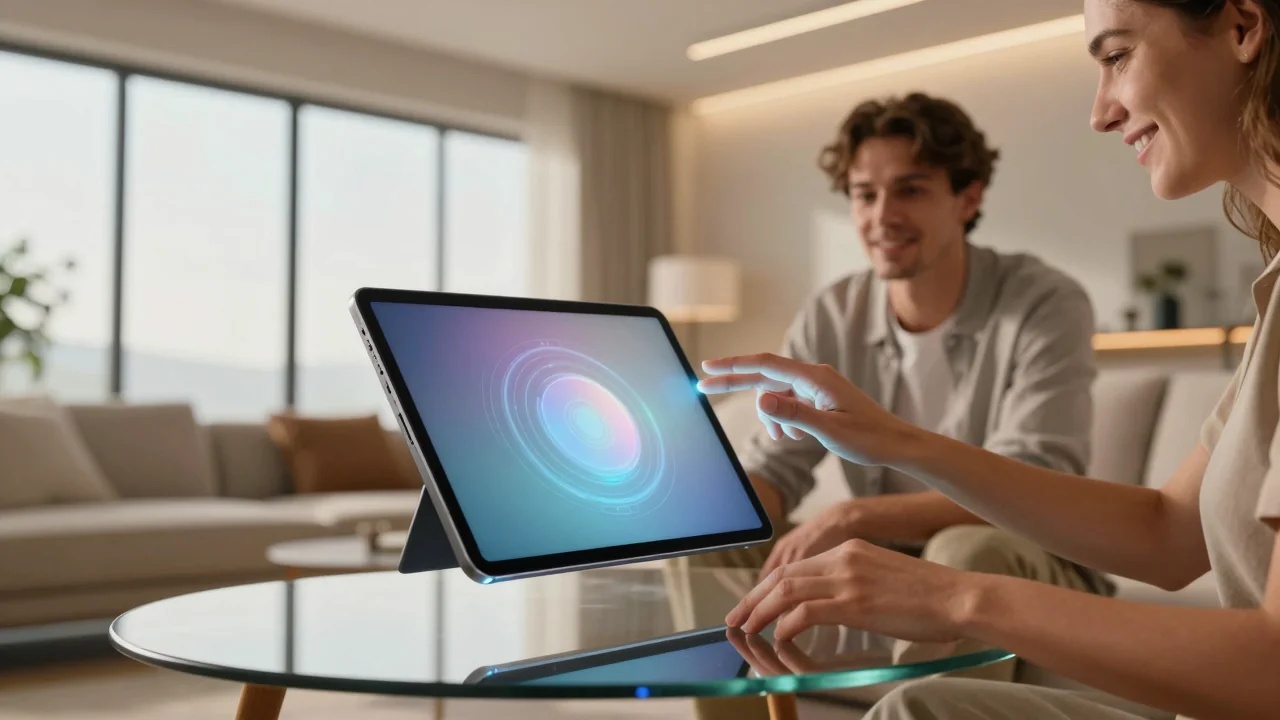
The Future of Tablet Technology in 2026: Key Developments
Discover the latest tablet technology developments in 2026! Explore groundbreaking innovations shaping the future of portable devices.
Imagine sitting on your couch, scrolling through your latest purchase—a sleek, foldable tablet that unfurls like a modern-day scroll. In 2026, such innovations are no longer sci-fi fantasies but everyday realities. Tablet technology developments have reached new heights, blending portability with powerful functionality, reshaping how we work and entertain ourselves.
This year marks a turning point for tablets, with brands like Apple, Samsung, and Microsoft pushing boundaries in design, performance, and AI integration. The latest models boast longer battery life, faster processors, and even holographic displays—transforming these devices into indispensable tools for creatives, professionals, and students alike. As we explore the key advancements shaping tablet technology developments in 2026, it’s clear that the future of digital interaction is unfolding right before our eyes.
The Rise of Foldable Tablets in 2026
Tablet technology developments in 2026 are being shaped by a significant shift toward foldable devices, blending the portability of smartphones with the expansive screens of traditional tablets. This evolution is driven by advancements in display technology and growing consumer demand for multifunctional gadgets.
Flexible Display Innovations
Flexible OLED screens are at the heart of this transformation, offering unparalleled durability and versatility. These displays can seamlessly transition between folded and unfolded states without compromising image quality or responsiveness. Leading manufacturers like Samsung and Huawei have already launched foldable tablets such as the Samsung Galaxy Tab Fold (starting at $1,299) and the Huawei Mate Pad X, featuring ultra-thin glass layers that reduce creasing and enhance longevity.
Key advancements in flexible display technology include:
- Self-healing coatings to minimize scratches.
- Improved hinge mechanisms for smoother folding.
- Energy-efficient OLED panels that extend battery life.
- Higher refresh rates (up to 144Hz) for smoother animations.
- Enhanced water and dust resistance ratings.
Market Adoption Trends
Despite the excitement around foldable tablets, consumer adoption faces hurdles such as high prices and lingering concerns about durability. Early adopters are drawn to the novelty and functionality, but mainstream acceptance will depend on how well manufacturers address these challenges in 2026.
Some factors influencing market trends:
- Competitive pricing strategies to appeal to mid-range buyers.
- Extended warranty programs to ease durability worries.
- Software optimizations for split-screen multitasking.
- Targeted marketing toward professionals and creatives.
- Increased availability through carrier partnerships.
As foldable tablets continue to evolve, their impact on the broader tech landscape is undeniable, setting the stage for even more groundbreaking innovations in the years ahead.
AI Integration in Tablet Technology Developments
Artificial intelligence is reshaping tablet technology developments, making devices smarter and more intuitive than ever before. In 2026, AI-powered features are becoming standard, transforming how users interact with their tablets. From seamless automation to hyper-personalized experiences, AI integration is pushing the boundaries of what these devices can achieve.
Smart Assistants and Automation
AI-driven smart assistants like Google Assistant and Apple’s Siri are evolving into powerful productivity tools on modern tablets. These assistants now handle complex tasks—such as scheduling meetings, drafting emails, and managing multiple apps—with minimal user input. For instance, the Samsung Galaxy Tab S9 Ultra leverages AI to automate workflows, allowing professionals to streamline their daily routines.
The latest tablet technology developments also include voice-activated controls that adapt to individual preferences over time. These systems learn from user behavior, predicting actions like opening frequently used apps or adjusting settings for optimal performance. This hands-free functionality is particularly beneficial for multitaskers who rely on tablets for both work and entertainment.
"By 2026, AI assistants will account for over 30% of all tablet interactions, significantly enhancing user efficiency." — TechRadar Tech Trends 2026: Latest Current Events in Technology
For gamers looking to enhance their experience, platforms like casinode.win offer cutting-edge AI-driven features that personalize gaming sessions based on player preferences.
Predictive Analytics for Personalization
AI-driven predictive analytics is revolutionizing how tablets cater to individual users. Tablets now analyze usage patterns to recommend apps, content, and settings tailored to each user’s habits. The iPad Pro’s M4 chip, paired with machine learning algorithms, delivers real-time suggestions—such as optimizing battery life based on daily routines or curating app recommendations.
These advancements extend beyond convenience, improving accessibility for users with disabilities. For example, the Microsoft Surface Pro 9 uses AI to adjust display settings dynamically, ensuring readability under varying lighting conditions. Such personalized adaptations make tablets more inclusive and user-friendly than ever before.
As AI continues to evolve, these developments highlight a future where tablets are not just tools but intelligent companions designed to anticipate user needs. Next, we’ll explore how hardware advancements are complementing these software innovations.
Sustainability in Tablet Design
The tablet technology developments of 2026 are increasingly focused on sustainability, with manufacturers prioritizing eco-friendly materials and recycling programs to reduce environmental impact. Apple’s latest iPad Pro (6th Gen) sets a benchmark with its aluminum chassis made from 100% recycled content, while Samsung’s Galaxy Tab S9 Ultra features a bio-based plastic back cover derived from sugarcane. These efforts align with consumer demand for greener electronics, as brands face growing pressure to adopt circular economy practices.
Beyond materials, tablet recycling programs have expanded significantly this year. Apple’s Trade In initiative now offers store credit or discounts on new devices for old tablets, while Amazon’s Renewed program refurbishes used Fire HD tablets with certified components. Other key sustainability efforts include:
- Apple iPad Pro (6th Gen): 100% recycled aluminum, carbon-neutral manufacturing.
- Samsung Galaxy Tab S9 Ultra: Bio-based plastic back cover, Energy Star certification.
- Amazon Fire HD 2026 Edition: Recycled packaging, carbon-compensated shipping.
- Lenovo Yoga Tab 14 (2026): Modular design for easy part replacement and upgrades.
- Microsoft Surface Pro 9 (2026 Refresh): Plastic-free packaging, biodegradable protective films.
Energy efficiency remains a cornerstone of tablet technology developments in 2026, with low-power processors and advanced battery technologies cutting down on energy waste. Qualcomm’s Snapdragon X Elite platform, for example, reduces power consumption by up to 30% compared to previous generations, while MediaTek’s Komphett 1000 series incorporates AI-driven power management. These advancements ensure longer battery life without compromising performance, making tablets more sustainable in daily use.
As sustainability becomes a core focus, the next wave of innovations promises even smarter ways to minimize environmental footprints.
Enhanced Connectivity and 5G Advancements
The future of tablet technology developments in 2026 is set to be defined by breakthroughs in connectivity, with 5G networks and beyond promising faster speeds and lower latency than ever before. Tablets like the iPad Pro (6th Gen) and Samsung Galaxy Tab S10 Ultra are already leveraging 5G capabilities, but upcoming advancements will further enhance mobile experiences.
Faster Network Speeds and Latency Improvements
5G networks have evolved significantly since their initial rollout, with tablets now benefiting from peak speeds exceeding 20 Gbps in select regions. This leap forward enables seamless cloud gaming, high-definition video streaming, and real-time collaboration without buffering. Future iterations of 6G technology, expected to emerge by the latter half of the decade, will push these limits even further.
"By 2026, tablets equipped with advanced modems like Qualcomm’s Snapdragon X85 will support multi-gigabit speeds, making them as responsive as wired connections." — TechRadar
The reduction in latency—now under 10 milliseconds on the latest models—is particularly transformative for augmented reality (AR) and virtual reality (VR) applications. Users can expect near-instantaneous responses when interacting with immersive content, revolutionizing fields like remote work and education.
IoT Integration for Smart Ecosystems
Tablets are increasingly becoming the command centers for smart home ecosystems, thanks to their large screens and intuitive interfaces. Models such as the Lenovo Tab P13 (2026 edition) and Microsoft Surface Pro 9 integrate seamlessly with IoT platforms like Apple HomeKit, Google Nest, and Amazon Alexa.
Beyond home automation, tablets are also streamlining industrial IoT (IIoT) applications, allowing operators to monitor machinery and adjust settings in real time. This trend is expected to grow as more businesses adopt cloud-based management systems, making tablets indispensable tools for both personal and professional use.
With connectivity playing such a pivotal role, the next frontier lies in how these advancements will shape the hardware and software ecosystems of tomorrow’s tablets.
Augmented Reality (AR) and Virtual Reality (VR) Tablets
The integration of augmented reality (AR) and virtual reality (VR) into tablet technology is one of the most exciting tablet technology developments shaping the industry in 2026. These advancements are transforming how we learn, work, and entertain ourselves by blending digital experiences with the physical world.
AR Applications in Education and Workplace
AR-powered tablets are revolutionizing education and professional environments by overlaying interactive digital content onto real-world settings. Devices like the Apple iPad Pro (6th Gen) with its LiDAR scanner enable students to dissect 3D anatomical models or explore historical sites through immersive AR lessons. In the workplace, tools such as Microsoft’s HoloLens 3 (now integrated into select Surface tablets) allow engineers and architects to visualize designs in real-time, improving collaboration and efficiency.
Key applications include:
- Medical training with lifelike simulations.
- Remote technical support via AR-guided repairs.
- Interactive classroom lessons with dynamic visuals.
- Architectural planning with scalable 3D models.
- Retail experiences, letting customers visualize products in their space.
VR Gaming and Entertainment
VR-enabled tablets are pushing the boundaries of immersive gaming, offering experiences that rival standalone headsets. The Meta Quest 3 Pro (released in 2025) now offers a tablet mode, combining high-resolution displays with hand-tracking for seamless interaction. Meanwhile, Samsung’s Galaxy Tab S9 Ultra with its Snapdragon X Elite chip delivers console-like performance, making VR gaming accessible without additional hardware.
Gamers can expect:
- Wireless VR play with optimized battery life.
- Social VR platforms, blending multiplayer and AR elements.
- Cinematic VR experiences for film enthusiasts.
- Fitness apps that track movement in real-time.
- Creative tools like 3D sculpting in virtual spaces.
As these technologies evolve, tablets are becoming indispensable for both productivity and leisure. Next, we’ll explore how sustainability is driving innovation in tablet design.
The Future is Now: Embracing Tablet Technology Developments
The future of tablet technology in 2026 promises to reshape how we interact with digital devices. From AI-driven personalization to foldable displays and enhanced productivity features, the latest tablet technology developments are pushing boundaries. These advancements are not just about hardware improvements but also about creating seamless, intuitive experiences that cater to both work and leisure needs.
As 2026 unfolds, tablets are evolving into versatile tools that blur the lines between smartphones, laptops, and standalone devices. With sustainability becoming a key focus, eco-friendly materials and energy-efficient designs are setting new industry standards. Whether for professionals, students, or casual users, these innovations ensure that tablets remain an essential part of our daily lives.
Stay ahead of the curve by exploring these cutting-edge tablet technology developments—your next must-have device might be just around the corner!